

Video production for social media is often treated as fast, improvised, and reactive. However, content that feels intentional usually follows a very different process. The difference is rarely obvious at first glance, but it is almost always felt.
That difference comes from production thinking.

The difference between content and video production for social media
In most social media workflows, content is built around speed. An idea appears, the camera turns on, and the video is published. This approach works, especially in vertical formats that prioritise quick consumption and repetition.
However, video production for social media introduces structure before the camera is even turned on. Instead of relying on spontaneity alone, it considers how attention moves, where the viewer’s eye is guided, and how each shot relates to the next.
As a result, the content feels clearer, calmer, and more coherent.
Why structure improves short-form video
Structure is often misunderstood as something rigid. In reality, structure removes unnecessary decisions and protects creative energy.
A loose script clarifies the message early.
A simple shot list prevents visual clutter.
Basic blocking establishes hierarchy inside the frame.
Not all of these steps are required for every video. Still, knowing how to apply them changes the outcome — even when the final result looks minimal. This is where video production for social media differs from casual content creation.
How production thinking affects perception
Algorithms currently reward efficiency. Vertical framing, single-point focus, and familiar pacing are easy to process and easy to repeat. For this reason, they dominate most feeds.
However, audiences respond to more than efficiency alone. They respond to coherence.
When shots belong together, and movement has purpose, content feels intentional. Viewers may not consciously analyse these elements, but they pause slightly longer. Retention becomes steadier, and the message is easier to remember.
This idea aligns with established UX research on visual hierarchy and how audiences focus on structured content.
This is why production thinking quietly elevates social video without fighting platform rules.
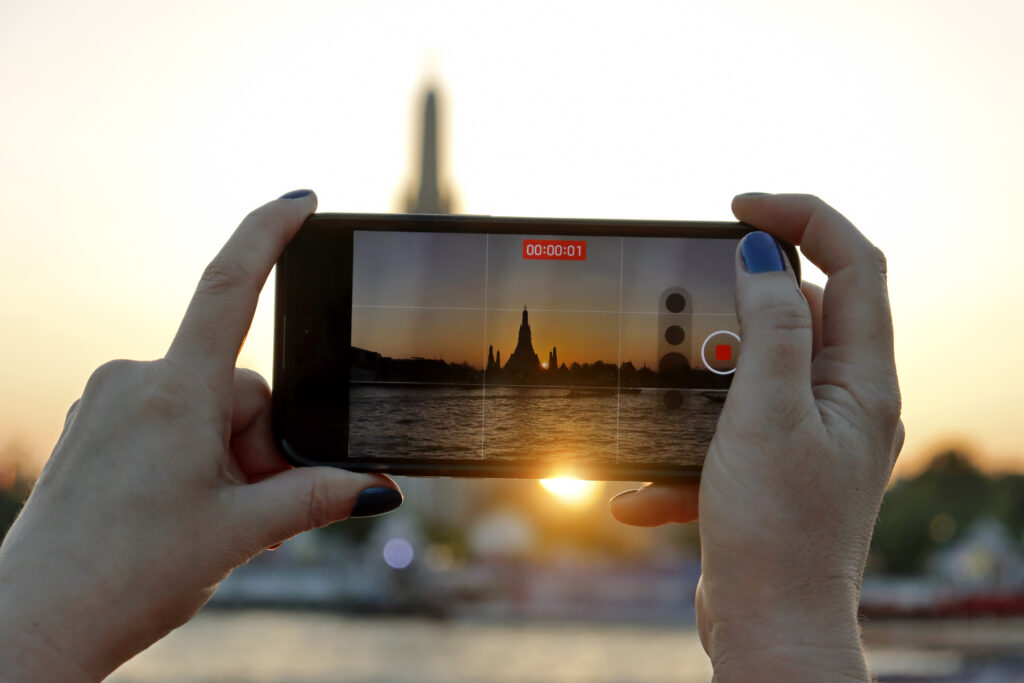
Does horizontal video have a future again?
This raises an interesting question: could horizontal, cinematic storytelling return as a meaningful contrast?
Not as a replacement for vertical video, but as a complementary layer. Vertical video is now the default format. Still, as repetition increases, the difference becomes more noticeable.
Cinematic framing, slower rhythm, and deliberate composition may regain relevance for brand storytelling, emotional depth, and long-term recall. In this context, video production for social media becomes less about format and more about intention.
Why structure supports creativity, not limits it
Production thinking is not about nostalgia or complexity. It is about sustainability.
Structure allows experimentation without chaos.
It reduces creative fatigue.
It transforms inspiration into something repeatable.
Most importantly, it enables creators and brands to grow without burning out. This applies across formats, platforms, and styles.
Final thoughts on video production for social media
The future of video will not belong to a single format. Instead, it will belong to creators who understand why something works, not only what works today.
Video production for social media is ultimately about intentional communication. Sometimes that intention is expressed vertically. Sometimes it becomes cinematic. What matters most is the thinking behind the frame.